Interlocking Pavers vs. Poured Concrete for Commercial Properties
People seeking interlocking pavers installation are often comparing options like interlocking pavers vs. poured concrete for commercial properties, and local service providers can help determine the best choice and handle the installation professionally.
Choosing the right surface material for a commercial property’s outdoor spaces is an important decision that can impact both functionality and appearance. Many property owners in the area explore the differences between interlocking pavers and poured concrete to determine which option best suits their needs. Whether it’s for parking lots, walkways, or patios, understanding the benefits and considerations of each can help ensure a durable, attractive, and practical investment. Local contractors who specialize in interlocking pavers installation can provide valuable insights and expert guidance tailored to the unique demands of commercial properties.
As property owners weigh their options, practical factors such as maintenance, longevity, and aesthetic appeal often come into focus. Interlocking pavers, for example, are known for their ease of repair and visual versatility, while poured concrete offers a smooth, seamless surface that can be customized in various ways. Exploring these differences with experienced service providers can help clarify which choice aligns best with the property's operational needs and design goals. Keep reading to discover more about how local pros can support the installation of interlocking pavers or poured concrete, ensuring a high-quality finish that meets the specific requirements of commercial properties.
- Commercial parking lots - property owners seeking durable and attractive surfaces often turn to interlocking pavers or poured concrete, with local contractors helping determine the best option based on traffic and maintenance needs.
- Sidewalk and pathway installations - businesses wanting safe, easy-to-maintain walkways may consider interlocking pavers or poured concrete, with local service providers advising on aesthetic and longevity considerations.
- Outdoor plaza and courtyard projects - developers planning for high foot traffic areas look to local pros to recommend between interlocking pavers and poured concrete for visual appeal and structural integrity.
- Loading dock areas - industrial properties requiring heavy-duty surfaces often consult local contractors to choose the material that offers strength and ease of repair for either interlocking pavers or poured concrete.
- Landscape and hardscape features - commercial properties adding decorative elements seek guidance from local pros on whether interlocking pavers or poured concrete better suits their design and functional goals.
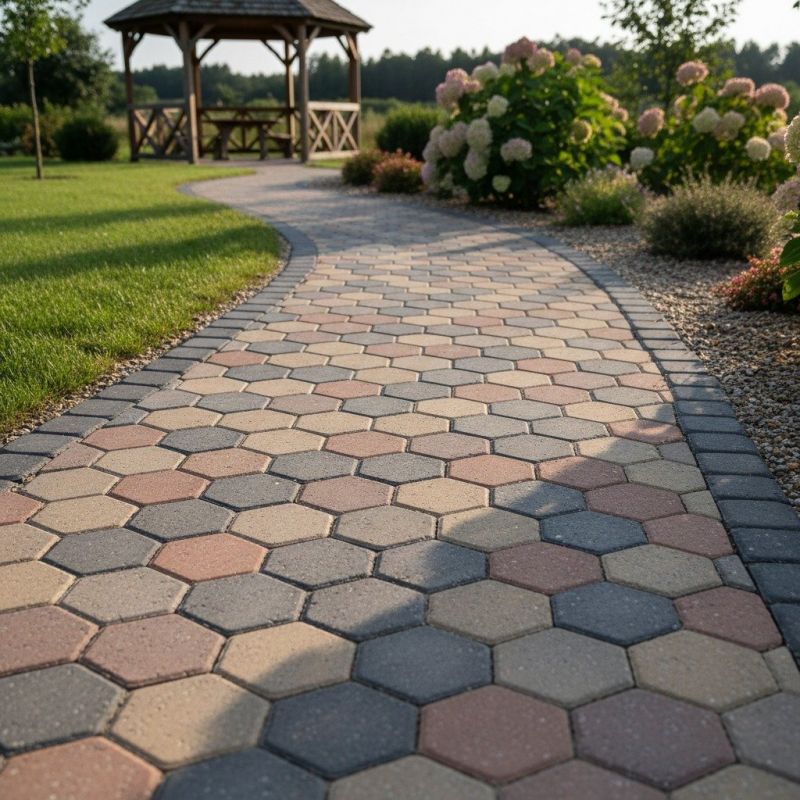
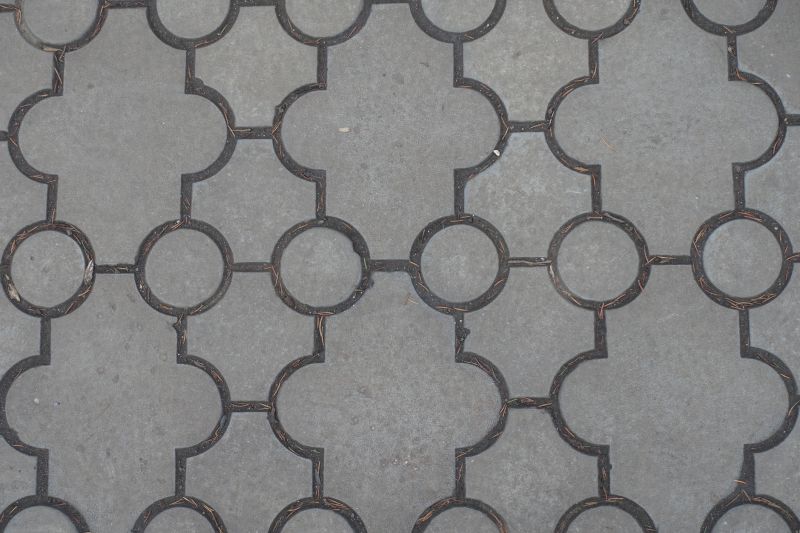
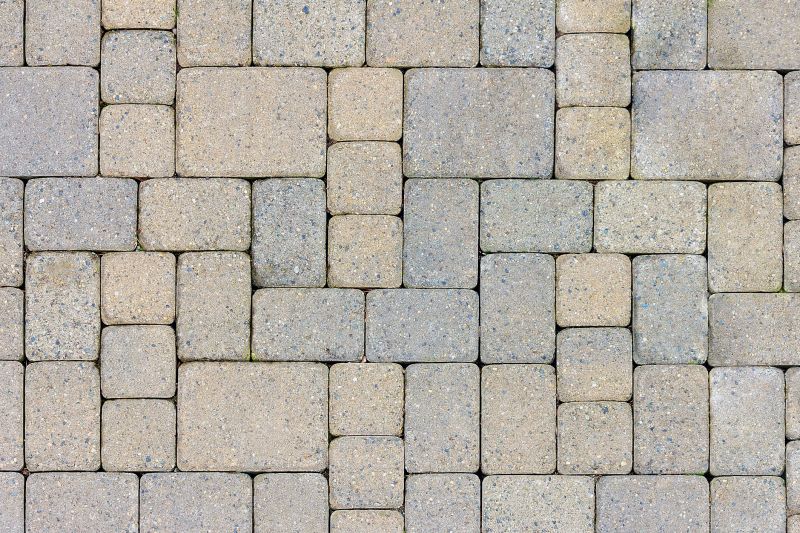
When researching interlocking pavers vs. poured concrete for commercial properties, most people are exploring options for creating durable, attractive outdoor surfaces that can handle high traffic and heavy loads. This topic often comes up in the context of parking lots, walkways, plazas, or outdoor seating areas that need to be both functional and visually appealing. Property owners and managers typically want to understand the advantages and disadvantages of each material to determine which best suits their project’s specific needs, whether it’s for longevity, maintenance, or aesthetic appeal. The search indicates a desire to make informed decisions about surface materials that will stand up to daily use while fitting within the overall design and operational goals of a commercial space.
The choice between interlocking pavers and poured concrete is closely related to the types of problems property owners face or plans they develop for their outdoor spaces. For example, those planning for areas that may require future modifications or repairs often consider pavers because they can be replaced individually without disturbing the entire surface. Conversely, poured concrete is often viewed as a straightforward, smooth finish that can be poured quickly and provides a seamless appearance. Commercial properties that experience heavy vehicle traffic, frequent loading, or need a long-lasting, low-maintenance surface tend to focus on these factors when comparing the two options. Understanding these key concerns helps property owners determine which material aligns best with their operational needs and aesthetic preferences.
The types of properties that typically come up in discussions about interlocking pavers vs. poured concrete include retail centers, office complexes, industrial parks, and municipal facilities. These properties often require large paved areas that can withstand constant use and varying weather conditions. Parking lots are a common example, where durability and ease of repair are critical. Sidewalks, outdoor patios, and entrance plazas also feature prominently in these comparisons, especially when visual appeal and safety are priorities. Local contractors who specialize in paver installation or concrete pouring are often engaged to provide solutions tailored to the specific demands of these property types, ensuring the finished surface meets both functional and aesthetic expectations.
For property owners considering either material, understanding how local pros can assist is essential. Skilled contractors experienced in interlocking pavers installation can advise on design options, installation techniques, and long-term maintenance considerations. They can help evaluate whether pavers or poured concrete better fits the project’s scope, budget, and future plans. Ultimately, connecting with experienced service providers ensures that the chosen surface material is installed correctly and performs as intended over time. This helps property owners make confident decisions about their commercial outdoor spaces, knowing that local experts are available to support their project from start to finish.
Parking Lot Resurfacing - professionals experienced in paving projects can handle both interlocking pavers and poured concrete, ensuring proper surface preparation and installation for commercial parking areas.
Sidewalk and Walkway Construction - local contractors skilled in hardscape installation can create durable and aesthetically pleasing walkways using similar planning and tools as interlocking pavers and poured concrete projects.
Landscape Hardscape Design - experts in outdoor space design can incorporate interlocking pavers or poured concrete to enhance functionality and visual appeal of commercial landscapes.
Patio and Plaza Installations - service providers familiar with surface installation techniques can help develop outdoor gathering spaces with materials comparable to those used in interlocking pavers and poured concrete projects.
Driveway Renovations - local contractors can manage driveway upgrades using similar methods and tools as those used for interlocking pavers and poured concrete, ensuring durability and style.
Outdoor Staircase Construction - specialists in hardscape features can craft steps and retaining walls with materials that require planning and installation skills aligned with interlocking pavers and poured concrete work.
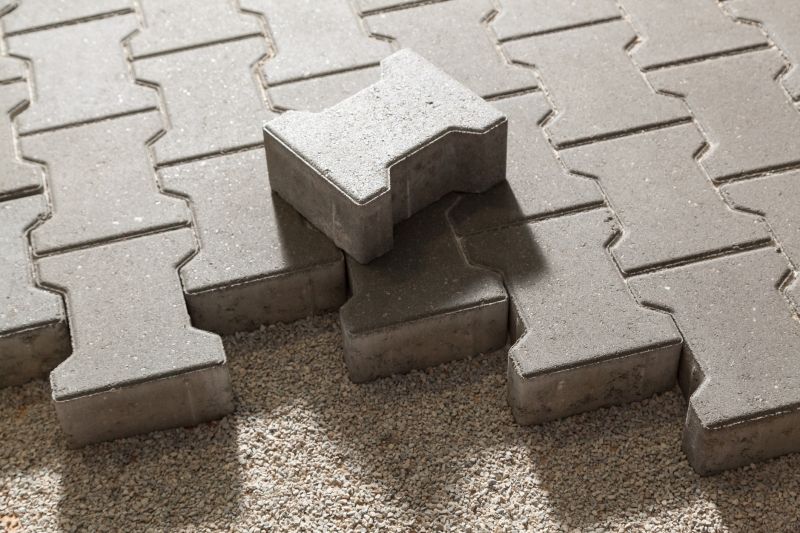
When comparing local contractors for interlocking pavers installation versus poured concrete for commercial properties, it’s important to assess their experience with similar projects. Homeowners should inquire about the types of commercial installations they have completed, paying attention to the scale and complexity of past work. A contractor with a proven track record in installing interlocking pavers or poured concrete in commercial settings can provide insights into what to expect and demonstrate familiarity with the unique challenges of such projects. Reputable service providers often have a portfolio of completed work or references that can verify their experience, helping homeowners make more informed decisions based on real-world results.
Clear written expectations are essential when evaluating potential service providers. Homeowners should seek detailed proposals that outline the scope of work, materials to be used, and the anticipated process for installation. This helps ensure there are no misunderstandings about project deliverables and allows for comparison across different contractors. Good communication is also a key factor; service providers who are responsive, transparent, and willing to answer questions demonstrate professionalism and make the process smoother. When working with local contractors, establishing open lines of communication early can help clarify preferences and ensure the project aligns with the specific needs of the commercial property.
Reputable references and reviews are valuable tools for assessing the reliability of local contractors. Homeowners can ask for contact information of previous clients or seek out reviews that speak to the contractor’s ability to complete projects on time, within budget, and to a satisfactory standard. It’s also helpful to learn about the contractor’s approach to managing project timelines, addressing unforeseen issues, and maintaining good communication throughout the process. Choosing a contractor with positive references and a reputation for professionalism can contribute to a more seamless experience when deciding between interlocking pavers vs. poured concrete for commercial properties and selecting the right installation services.
Property owners often search for interlocking pavers vs. poured concrete for commercial properties when they are planning practical projects around their homes and businesses. Local pros provide Interlocking Pavers Installation services for everyday jobs and straightforward project options.
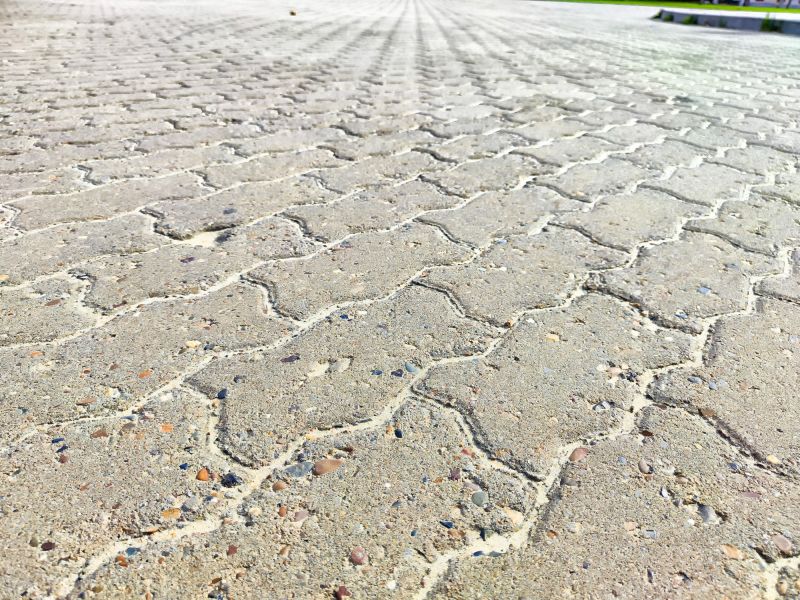
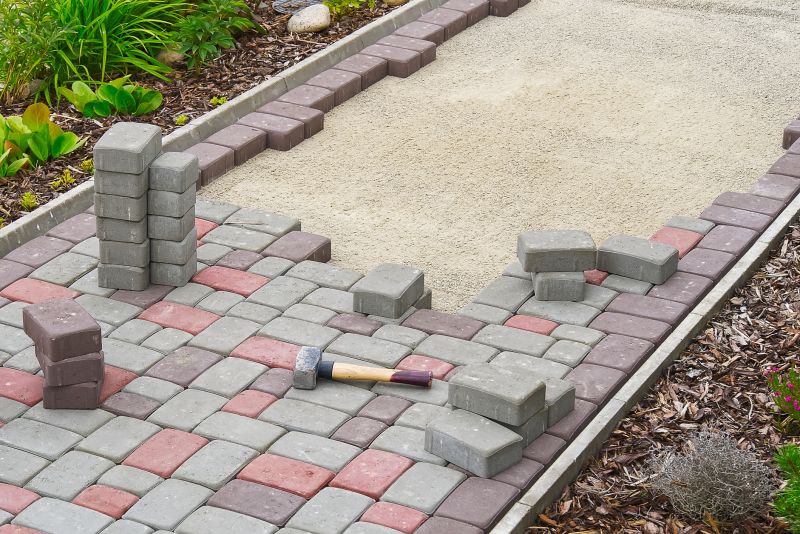
When considering options for upgrading or installing outdoor surfaces at commercial properties, property owners often compare interlocking pavers versus poured concrete. Interlocking pavers are known for their durability and aesthetic appeal, making them a popular choice for walkways, patios, and parking lots. Local contractors who specialize in interlocking pavers installation can offer guidance on how these pavers can provide a versatile and visually appealing solution that can withstand heavy foot and vehicle traffic. On the other hand, poured concrete is often favored for its seamless appearance and quick installation process, which can be advantageous for large-scale projects. Property owners might look into local service providers to understand the benefits and limitations of each material in relation to their specific project needs.
Choosing between interlocking pavers and poured concrete for commercial properties often depends on factors like budget, design preferences, and long-term maintenance considerations. Local pros who handle interlocking pavers installation can help property owners evaluate these factors and determine which option aligns best with their goals. Additionally, professionals can advise on how each material performs in the local climate and how it might impact ongoing upkeep. Whether aiming for a classic look or a more customizable surface, property owners are encouraged to explore local service providers who can provide expert insights and quality installation services tailored to their project requirements.
What are the main differences between interlocking pavers and poured concrete for commercial properties? Interlocking pavers consist of individual units that can be replaced if damaged, offering flexibility and aesthetic variety. Poured concrete creates a seamless surface that is durable but may crack over time. Local contractors can advise on which option best suits specific commercial needs.
How does the installation process differ between interlocking pavers and poured concrete? Installing interlocking pavers involves laying individual units over a prepared base, allowing for adjustments during placement. Poured concrete involves pouring and smoothing a single slab, which requires curing time. Local service providers can handle both installation methods efficiently.
Which material tends to require less maintenance for commercial properties? Interlocking pavers generally require less maintenance because individual units can be replaced easily, and they resist cracking. Poured concrete may need repairs if cracks develop, and sealing may be necessary to preserve its appearance. Local contractors can provide maintenance services for both options.
Are interlocking pavers or poured concrete more suitable for high-traffic commercial areas? Poured concrete is often favored for high-traffic areas due to its seamless surface and strength. However, interlocking pavers can also handle heavy traffic and offer easier repairs if damage occurs. Local professionals can recommend the most durable choice based on the specific application.
Can local contractors customize the appearance of interlocking pavers and poured concrete for commercial properties? Yes, interlocking pavers offer a wide range of colors, patterns, and textures for customized designs. Poured concrete can be stamped or stained to achieve various looks. Service providers can help create a design that complements the commercial property's style.
Durability considerations - Property owners can evaluate the long-term wear and tear of interlocking pavers versus poured concrete to choose the best option for high-traffic areas, with local contractors providing guidance on material strength.
Design flexibility - When planning for aesthetic variety, property owners might explore different patterns and colors available with interlocking pavers, with local pros assisting in customizing the appearance.
Installation challenges - For projects on uneven or challenging surfaces, property owners can consult local installation services to determine which material offers easier and more effective setup.
Maintenance needs - Property owners can consider ongoing upkeep requirements, such as sealing or repairs, and seek advice from local contractors on maintaining interlocking pavers versus poured concrete over time.
If you are thinking about interlocking pavers vs. poured concrete for commercial properties for a property, this guide is meant to help you understand this topic, the typical project types, and how different options might fit your plans.
When you are ready, you can use the quote form on this page to share a few details about your project. From there, local pros can review the basics and follow up with options that match what you have in mind.